Introduction
When building a content strategy for the web, it is natural to focus on search phrases. Website owners want to make sure search engine indexing bots understand the exact topic of their pages. However, in the pursuit of high organic rankings, many creators fall into a dangerous trap: repeating primary keywords too frequently within a text block. This outdated practice, known historically as keyword stuffing, ruins user readability and triggers severe search engine quality penalties.
Modern search engine algorithms have evolved beyond simple keyword counting. They utilize highly sophisticated natural language processing (NLP) models to evaluate human text dynamically. If your articles feel mechanically stuffed with search phrases, automated web quality filters will flag your site as low-value, thin content.
In this comprehensive, long-form content optimization manual, we will break down the mathematical mechanics of keyword density, analyze the risks of over-optimization, and show you how to use free online utility checkers to craft content that satisfies both human readers and search cralwers.
The Linguistic Science Behind Keyword Distribution
Keyword density measures the percentage of times a target search term appears within the total word count of a webpage text block. The math behind this calculation is straightforward:

Finding the Golden Ratio
While search engines do not publish an exact numerical threshold, modern SEO consensus recommends keeping your primary phrase density between 1% and 2%. This means that if you write a 1,000-word tutorial, your main target phrase should naturally appear no more than 10 to 20 times across the entire page body, including headings and image captions.
ALSO READ: How to Use Headline Analyzers to Improve Organic Click-Through Rates
Step-by-Step Guide to Using Free Optimization Checkers
You do not need to manually count words and phrases across your articles. Free web utilities handle this processing automatically.
Step 1: Run Your Text Draft Through an Analysis Tool
Before publishing your text in WordPress, copy your draft body and paste it into an online analyzing dashboard (such as SmallSEOTools Keyword Density Checker, PrePostSEO, or Copywritely).
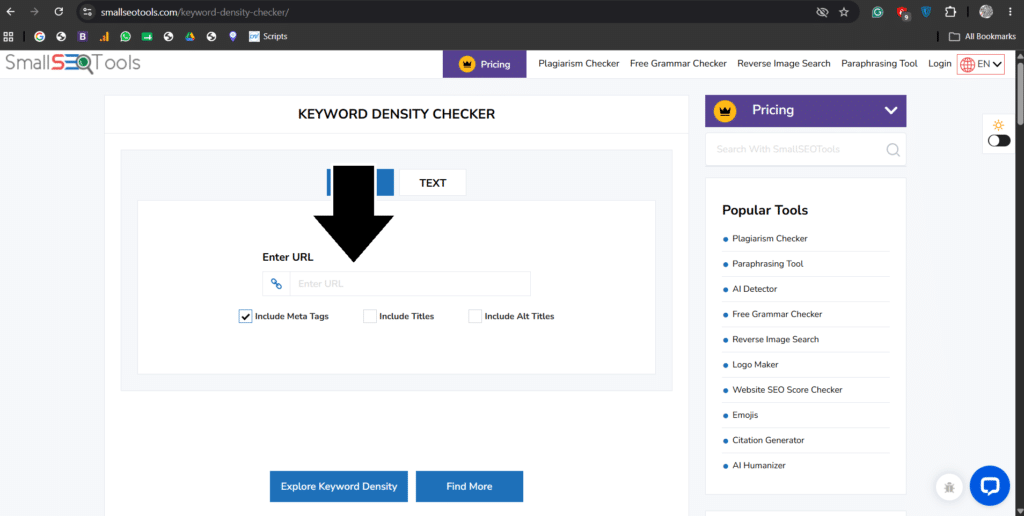
- Paste your raw text or insert your live post URL into the analyzer field.
- Hit the processing button to trigger a full linguistic breakdown.
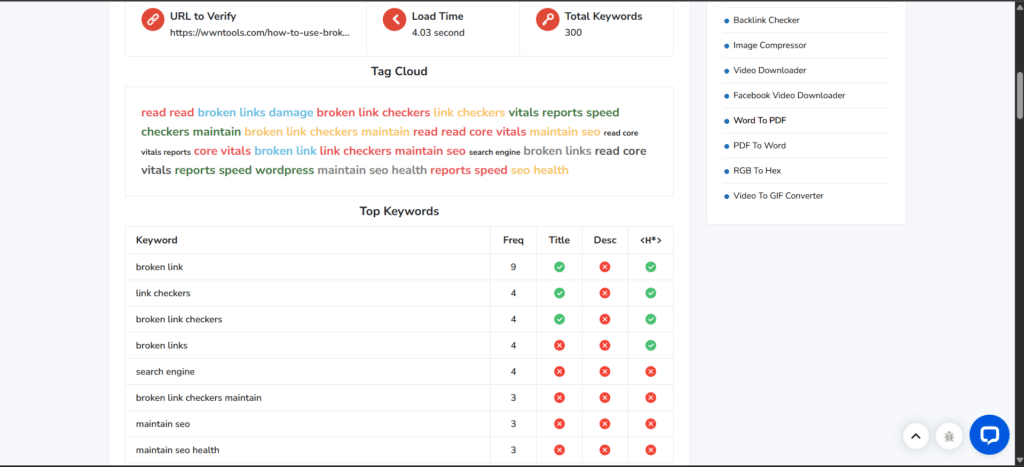
- Review the output index, which displays your single-word, two-word, and three-word phrase frequencies sorted from highest to lowest percentage values.
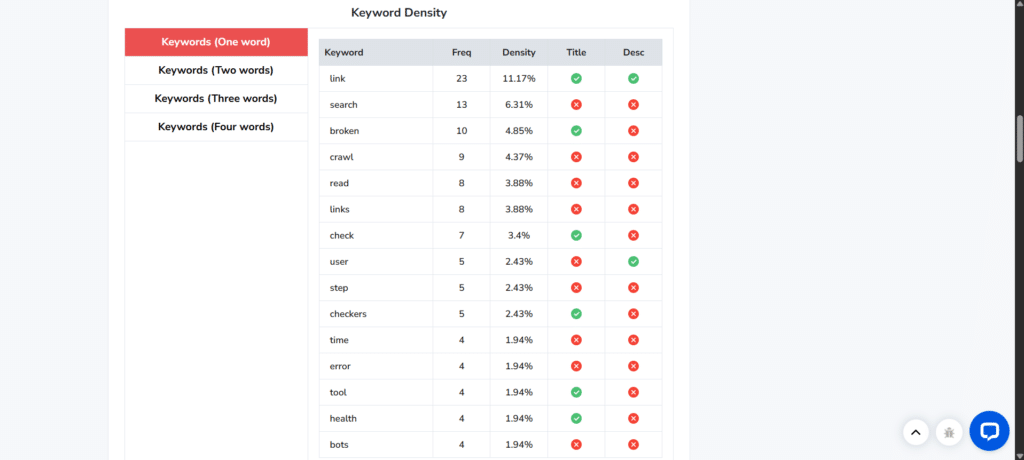
Step 2: Identify Over-Optimized Term Blocks
Scan the results table for any keyword strings that push past the 2.5% threshold. If a specific phrase displays a red highlight warning, it means that phrase appears too frequently. This clustering tells search algorithms that the text was written mechanically to trick search engines rather than to educate human readers.
Step 3: Implement Semantic LSI Variations
Instead of deleting overused keywords and leaving gaps in your sentences, replace them with semantic variants known as LSI (Latent Semantic Indexing) keywords. LSI terms are contextually related synonyms that help engines understand your topic deeply.
- Target Term:
SEO Tools - LSI Alternatives:
Optimization software,webmaster utilities,search analysis applications
Using contextual synonyms keeps your content natural while reinforcing your topic to search engine spiders.
Conclusion
Writing for search engines requires a balanced approach. By checking your text through automated density scanning utilities and replacing repetitive phrases with natural, semantic variations, you protect your content from over-optimization penalties. Audit your drafts consistently before hitting publish to ensure your writing remains reader-focused and authoritative.