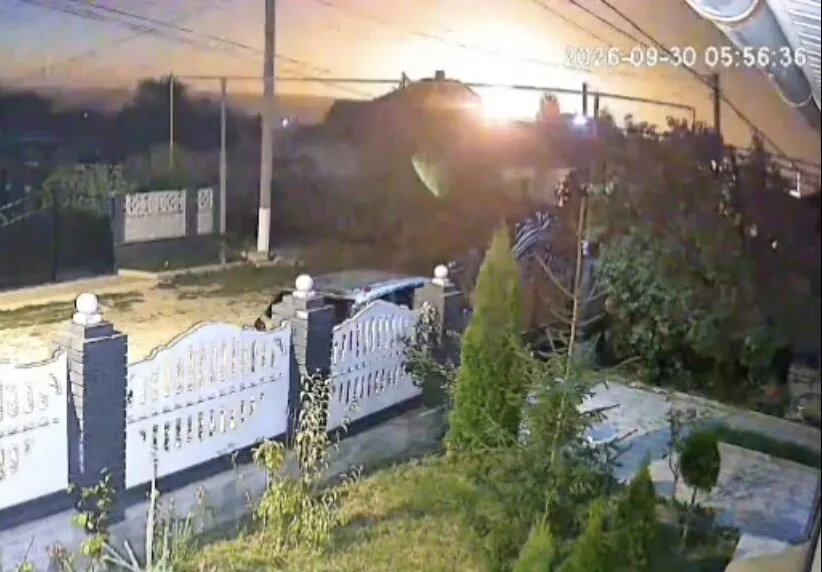
Дрон залетел и взорвался неподалёку от города Бендеры в Молдове утром 30 сентября на фоне атаки рф на Украину. В Румынии ночью снова поднимали истребители. Об этом УНН пишет со ссылкой на данные полиции и оборонных ведомств стран.
В Молдове упал и взорвался дрон
Сегодня утром, около 05:40, в полицию сообщили о том, что на небольшом расстоянии над муниципием Бендеры заметили беспилотник. Впоследствии летательный аппарат упал в сельской местности села Гырбовец, в Анений-Нойском районе, где и взорвался. Предварительно, о пострадавших не сообщалось
Территорию взяли под охрану, на место происшествия направили специализированные подразделения полиции.
«Эксперты должны осмотреть объект и установить все обстоятельства инцидента. Полиция призывает граждан не приближаться и не прикасаться к любым подозрительным фрагментам или предметам, а также избегать этой местности до завершения проверок», — говорится в сообщении.
Инцидент подтвердили в Минобороны Молдовы.
«В контексте массированных атак российской федерации на Украину национальная интегрированная система мониторинга сообщает о пролёте через национальное воздушное пространство сегодня, 30 сентября, около 05:43, беспилотника, который упал на окраине села Гырбовец, в Анений-Нойском районе, где взорвался», — говорится в сообщении молдавского оборонного ведомства.
Служба воздушных операций, как указано, продолжает мониторить воздушное пространство в координации с компетентными органами и партнёрами.
Как отмечается, полицию и представителей национальной армии направили на место происшествия для расследования инцидента.
Румыния поднимала истребители
«В ночь с 29 на 30 сентября система радиолокационного наблюдения Министерства национальной обороны обнаружила воздушную цель, двигавшуюся к востоку от Измаила, на территории Украины, вблизи речной границы с Румынией», — говорится в сообщении Минобороны Румынии.
Два самолёта F-18 воздушно-космических сил Испании, находящиеся на боевом дежурстве в рамках усиленной воздушной полиции, вылетели для мониторинга ситуации
На севере уезда Тулча были приняты меры по оповещению населения, и в 00:35 было передано сообщение RO-Alert.
«Нарушений национального воздушного пространства не выявлено. Воздушная тревога прекращена в 01:10», — сказано в сообщении.
рф атаковала Украину «Цирконами» и баллистикой — обезврежены пять ракет и 155 из 188 дронов30.09.26, 08:16 • 22282 просмотра